
hoollaaaa....lame dah x mengupdate blog nie...ikut atie,mcm2 luahan rasa aku nak tulis kat sini..tapi..nanti takot mengguris hati dan perasaan plak...so,better xpayah...maka nye,fb aku penuh la dgn post2 yg mcm hape ntah...okay,dlm bz2 aku dgn asigments yg date line just around da corner, aku sempat lg gi dgr talk from nephrologist KPJ Johor..since aku pun in diz line, R E N A L aka kidneys aka buah pinggang, so sharing is caring~care for life!yeaahhh ~ the kidneys are designed to last a life-time. They do an amazing job! It is important to care for them.
Where are your kidneys? The human kidneys are small, biological marvels with a fascinating design that fulfil a vital function. Most people are born with two kidneys; each bean shaped organ is about the size of a fist located just below the rib cage on either side of the spine. Each kidney is about 11.5 cm long, 5 to 7.5 cm broad and 2.5 cm thick, weighing about 150 grams and are located near the middle of your back, just under the ribcage.
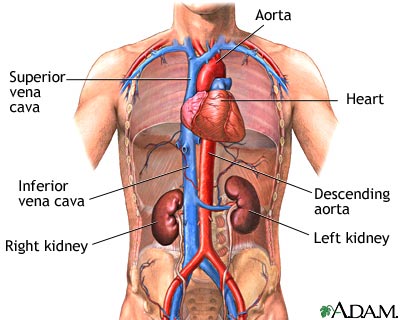
What do your kidneys do? Healthy kidneys act like a filter to make sure the right amount of wastes and fluids are removed, they keep the proper balance of salts and acids in the body and produce hormones. Every day our kidneys perform an essential job of filtering 200 litres of blood, to remove about 2 litres of waste products and unneeded water.
Your kidneys intervene in numerous processes and balances of the body and control many vital body functions and are amazing master chemists of the body. The major role of the kidneys is to remove waste from the blood and eliminate it in the urine. Our kidneys make three important hormones, erythropoietin, renin and active vitamin D. Erythropoietin stimulates the production of red blood cells, renin is involved in the control of blood pressure and active vitamin D controls calcium uptake and helps make strong bones.
To remove this waste and extra water, blood enters the kidney through the renal artery; blood is then cleaned in the kidney as it passes through tiny filters called nephrons. One kidney contains about one million nephrons. Each nephron contains a filtering apparatus called a glomerulus. We have about a million hairpin-like glomeruli at birth, but lose about 100,000 of these every decade of life. Droplets of filtered blood pass through a number of tubules (tiny tubes) into the medulla, a central collecting region. The glomeruli and tubules together make up nephrons, long and extremely fine tubes which, if connected, would run for 80 kilometres (50 miles). The nephrons are the basic working units of the kidneys, controlling the formation of urine.
Cleaned blood returns to the body by the renal vein. Waste and extra water removed by the kidney passes through a tube called the ureter to the bladder where it is stored as urine or wee. When the bladder is full, the urine passes out of the body through another tube called the urethra.
The process of removing waste and extra water in simple terms is:
- Food and drink enters the stomach and are broken down into nutrients.
- Solid waste products are removed and nutrients enter the bloodstream.
- Nutrients are used by the body for energy, growth, repair and maintenance of body functions.
- This process creates waste which is removed by the kidneys.
- Extra nutrients not immediately needed by the body are also removed by the kidneys.
- Waste products and extra water move from the kidneys to the bladder then leave the body as urine (wee).
Kidney disease is called a ‘silent disease’ as there are often no warnings.
- It is not uncommon for people to lose up to 90% of their kidney function before getting any symptoms.
- People can live a near normal life with as little as 20 percent of their total kidney function.
- When symptoms do occur the initial signs may be general, such as feeling tired or generalised itching.
- As kidney disease progresses, symptoms can include changes in the urine (reduced volume, discolouration, blood or pus), nausea and vomiting and appetite loss.
- Other symptoms include swollen or numb hands and feet (because of water retention), weakness and lethargy, darkened skin and muscle cramps.
What can I do to help stay healthy?
The golden rules :1) Keep your blood pressure below 130/90 and maintain healthy levels of cholesterol.
2) It’s important to have your cholesterol levels checked regularly. The recommended level
is no higher than 5.5 mmol/litres.
3) Lead a healthy lifestyle and maintain healthy weight, be active for more
than 30 minutes most days
- Losing weight can reduce how hard your kidneys have to work. There is also some evidence that suggests that excess weight is also associated with an increased risk of kidney cancer.
- Stay fit Do at least 30 minutes of physical activity most days of the week. The key is to start slowly, and gradually increase time and intensity of activities.
4) Eat a balanced healthy diet low in saturated fats
- Eat healthy foods - with as many fresh ingredients as possible.
- Don't over eat - always leave a meal feeling like you could eat a little bit more.
- Eat breakfast - a good breakfast activates your metabolism first thing in the morning.
- Avoid fad diets - they are hard to maintain over a long period and can create or worsen ill health.
- Drink plenty of fluids - choose to drink water instead! Sugar drinks have lots of calories, while caffeine and alcohol are both diuretics and can leave the body dehydrated.
- Check nutrition panels on all parcelled foods you buy - choose only foods that list a low percentage of sugar and salt and that are low in saturated fats. Find out what food ingredients are.
Smoking causes narrowing of the arteries including small vessels that are in the filter in sections of your
kidney and reduces the ability of the kidneys to work properly. Smoking has been linked to cancer of the
kidneys, the bladder and ureter (the small tubes that run from your kidneys to the bladder). The
message is clear: don't smoke.
6) If you have diabetes make sure you actively treat your blood glucose. Normal blood
glucose levels are 4- 6 mmol/L before meals and 4-8 mmol/L two-hours after meals.


